Paying for a Child’s Dentist Without Insurance in NYC: In-House Plans and Financing Explained
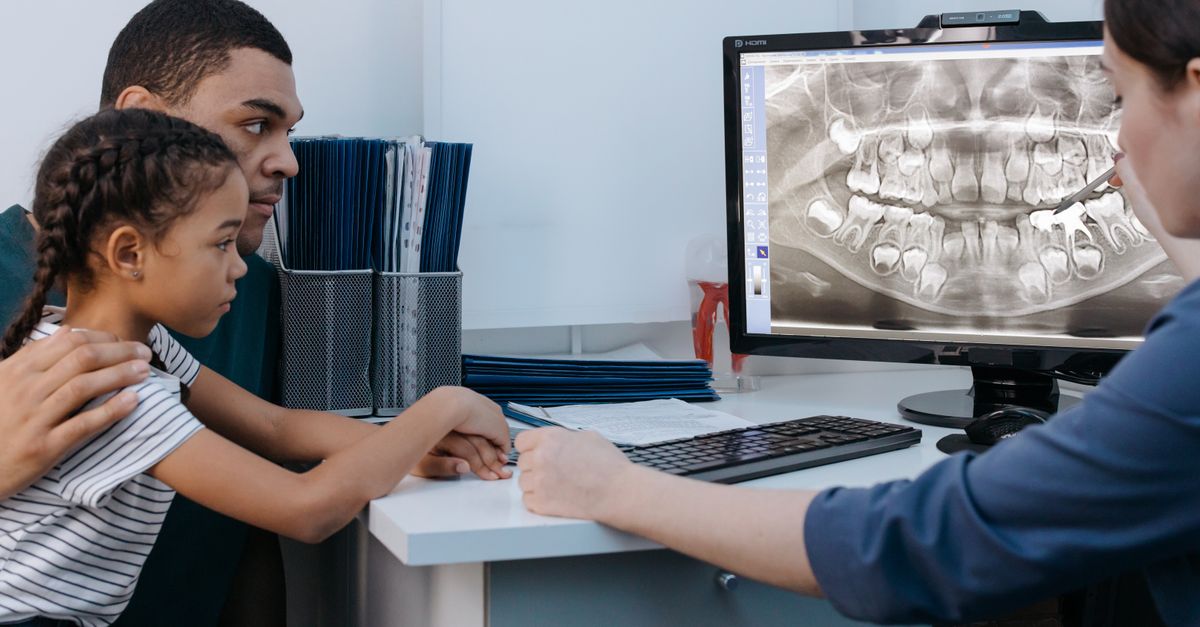
You can pay for a child’s dentist in NYC without dental insurance by paying the practice directly, asking whether an in-house dental plan fits your child’s anticipated care, or using financing to spread an eligible bill into payments. At Tribeca Dental Studio 4 Kids, uninsured families can ask about an in-house dental plan and flexible financing through Cherry and CareCredit. The right choice depends on the treatment your child needs, what the plan covers, and the full cost of any financing agreement.
An in-house plan and financing solve different problems. A plan may make eligible care more predictable, but its value depends on written membership terms. Financing changes when you pay for care, but it does not necessarily reduce the price and may add borrowing costs. Before committing to either, request a written treatment estimate and compare your total out-of-pocket cost under each available option.
If your child is in pain, has swelling, or has suffered a dental injury, seek a prompt clinical evaluation rather than waiting to settle on a payment method. You can discuss costs and payment arrangements alongside the care plan once the dentist has assessed what your child needs.
What does it mean to pay for pediatric dentistry without insurance?
Paying without dental insurance means you are responsible for the charges for your child’s dental care rather than relying on a dental policy to pay some portion. That does not mean every visit will cost the same, or that you must choose a financing product. The amount you owe depends on the services recommended and any written plan terms or payment arrangements that apply.
It helps to separate three documents that parents sometimes treat as interchangeable:
- The treatment plan explains what the dentist recommends and, where appropriate, which steps may be done now or later.
- The cost estimate lists the expected charges for the proposed services. Ask whether it covers the entire course of care or only the next visit.
- The payment agreement explains how and when you will pay, including any membership terms or financing obligations.
A lower monthly payment is not the same thing as a lower total price. Likewise, an in-house plan should not be treated as insurance unless its written terms actually establish an insurance product. Ask what each arrangement does, what it does not do, and which party you will owe.
Start with a clinical plan, then choose how to pay
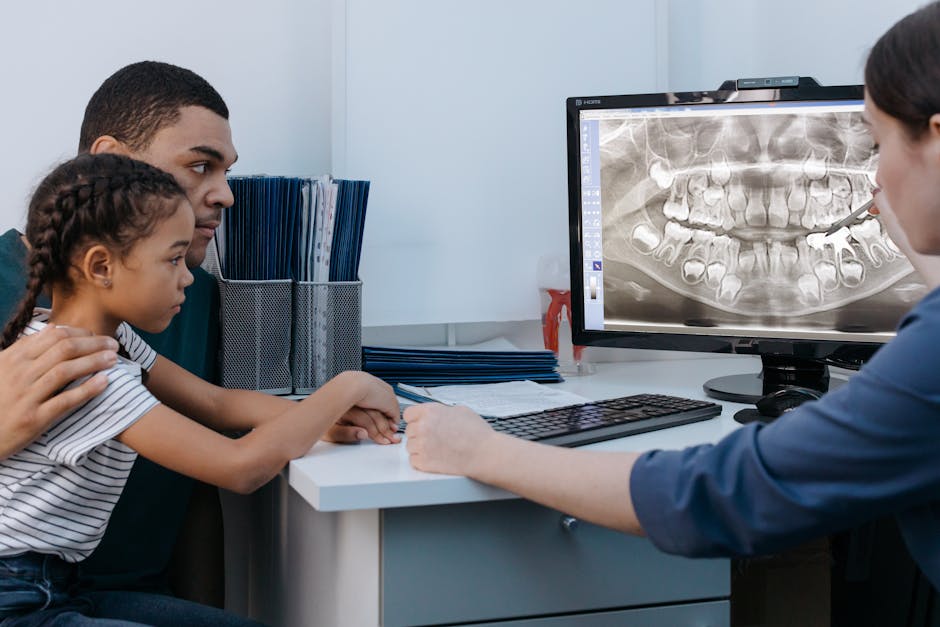
When a parent calls us about the cost of a visit, the useful starting point is the child’s clinical need. An exam may reveal that the next step is preventive care, monitoring, or treatment. Without that information, a quoted price for a particular procedure might not describe the care your child actually needs.
At Tribeca Dental Studio 4 Kids, the available services include preventive cleanings and sealants, along with technologies and approaches intended to support gentle, minimally invasive pediatric care. The practice describes options such as Biolase laser treatment, silver diamine fluoride, Curodont™ Repair, and Icon Resin Infiltration. These are not interchangeable substitutes for every cavity or white spot. A dentist must determine whether an option suits the specific tooth and stage of the problem.
This distinction matters financially as well as clinically. A parent who asks whether an early area can be monitored or treated conservatively is asking a reasonable question. But no office can responsibly promise that every cavity can be reversed or that every child can avoid a restoration. To understand how a dentist may tailor prevention to a child’s needs, read our guide to risk-based preventive dentistry.
A practical order of decisions
- Arrange an evaluation. Tell the office whether you are scheduling routine care, following up on a concern, or seeking attention for pain or an injury.
- Ask what is recommended. Request an explanation of the finding, the proposed treatment, and whether another clinically appropriate option exists.
- Get an itemized estimate. Identify which charges relate to the evaluation, imaging if recommended, prevention, treatment, and follow-up.
- Compare payment routes. Ask for the applicable in-house plan terms, the direct-pay cost, and any financing details available for the proposed care.
- Confirm the arrangement in writing. Make sure you understand what is due before treatment, what might change, and whom to contact about a billing question.
This sequence puts the treatment decision first. It also makes it easier to compare options on the same basis instead of weighing a plan description against an incomplete estimate.
How an in-house dental plan differs from insurance
An in-house dental plan is an arrangement offered by a dental practice to its patients. Tribeca Dental Studio 4 Kids offers an in-house dental plan for uninsured families, but the information provided here does not establish its current price, covered services, exclusions, renewal rules, or discounts. Those details should come from the office’s current written terms, not assumptions about what other practices offer.
Traditional dental insurance is a separate policy with its own eligibility and benefit rules. An in-house plan is not automatically a replacement for insurance, and membership should not be assumed to provide coverage at other dental offices. Whether it is worthwhile depends on the care your child is likely to use and how its terms apply to that care.
Questions to ask before enrolling
- What is the membership cost? Ask whether there is an enrollment charge, a recurring payment, or a renewal requirement.
- Which visits and services are included? Request a specific list rather than relying on the phrase “preventive care.” Clarify whether an exam, cleaning, or other service is included or separately billed.
- How is other treatment priced? If the plan changes the cost of restorations or other procedures, ask for the applicable terms and an estimate for your child’s proposed care.
- When does eligibility begin? Confirm whether any timing rules affect a visit you are scheduling soon.
- Who can use the plan? Ask how enrollment works if you have siblings and whether each child requires separate membership.
- What happens if care changes? Ask how additional findings, referrals, cancellations, and renewals are handled.
The most useful comparison is not simply the membership cost. Add what you would pay to join to what you would still owe for the care your child is expected to receive. Then compare that total with the direct-pay estimate. If the child’s needs change, ask the office to update the comparison before proceeding.
How Cherry and CareCredit financing fit into the picture
Tribeca Dental Studio 4 Kids also identifies Cherry and CareCredit as flexible financing options. Financing may help a family manage the timing of a dental expense, particularly when recommended treatment is difficult to pay for in one transaction. It is separate from the dentist’s clinical recommendation, and the availability and terms of an offer should be checked before you rely on it.
We do not publish a universal financing rate or approval promise here. The relevant terms are the ones presented to you for the specific transaction. Before accepting an offer, review:
- The amount financed: Does it cover the entire estimated bill, or will you owe a separate amount to the dental office?
- The payment schedule: When is the first payment due, how many payments are required, and how much is each payment?
- The total repayment: Add every required payment and compare the sum with the direct-pay charge.
- Interest and fees: Ask what applies under the offer, including any consequences of a late or missed payment.
- Changes to treatment: Find out what happens if the dentist recommends additional care or the final charge differs from the estimate.
- Who handles the account: Clarify which questions go to the practice and which go to the financing provider.
Do not select financing solely because the monthly amount fits your budget. Check the full repayment obligation and read the agreement carefully. If you are considering a plan and financing together, ask whether they can be combined for the particular service and request an updated estimate showing how each applies. Combining them should never be assumed.

Compare direct payment, a plan, and financing on the same estimate
There is no single best payment option for every uninsured NYC family. The comparison depends on the care recommended, the written terms available to you, and your preference for paying now or over time. Use the same itemized treatment estimate when you ask about each route.
Direct payment
Paying the dental office directly may be simplest if you can comfortably cover the quoted charge. Ask what is due at each appointment and whether the estimate includes any anticipated follow-up. Do not assume that paying directly qualifies you for a particular discount. If cost is a concern, ask for the actual amount rather than relying on a general price range.
An in-house plan
A plan is worth examining when its stated benefits match the care your child is likely to receive. Compare the membership obligation plus any remaining treatment charges with the direct-pay estimate. Be especially careful when comparing preventive care with a separate treatment recommendation: inclusion of one service does not establish inclusion of another.
Financing
Financing may be appropriate when the timing of payment is the main challenge and you understand the repayment terms. Its cost comparison must include all required payments, not just the amount charged by the dentist. If you are uncertain whether a payment schedule is manageable, pause and ask questions before agreeing to it.
At Tribeca Dental Studio 4 Kids, parents can discuss the in-house plan and the named financing options with the team. We recommend asking for the treatment estimate first, then requesting the current written terms that apply to that estimate. This is more useful than treating any one payment route as the default choice.
What affects the cost of a child’s dental visit?
Parents often search for one price for a “kids’ dentist in NYC,” but that phrase covers very different appointments. A routine evaluation is not the same as care for a painful tooth, and a proposed procedure may change after a dentist examines the child. An honest estimate should identify what has been assessed and what is still uncertain.
Questions that can clarify a quote include:
- Is this estimate for the first visit only, or for all care currently recommended?
- Which findings support the proposed treatment?
- Are diagnostic services included in the estimate or quoted separately?
- If more than one approach is clinically appropriate, what changes in cost and follow-up?
- Is care expected to take more than one appointment?
- If a specialist or another provider becomes necessary, which charges would be outside this estimate?
Ask for an updated estimate if the diagnosis or treatment plan changes. An initial quote can guide your planning, but it should not be mistaken for a guarantee about findings that have not yet been evaluated.
Minimal intervention is a clinical decision, not a price promise
We focus on identifying issues early and explaining suitable options. For some children, prevention or monitoring may be appropriate. For others, active treatment may be needed. Silver diamine fluoride, for example, has a different role from a sealant or restoration. Our comparison of sealants and silver diamine fluoride explains why the distinction matters.
Similarly, Icon Resin Infiltration may be considered for suitable white spot lesions, but it is not a blanket solution for all areas of decay. If that treatment is raised in your child’s consultation, our explanation of Icon Resin Infiltration can help you prepare questions. Ask the dentist what the treatment is intended to accomplish for your child and what follow-up it requires.
Budget for the experience your child needs, not just a procedure name
For a child with dental anxiety or sensory sensitivities, the manner in which care is delivered matters. Tribeca Dental Studio 4 Kids describes a dedicated children’s floor, a calming environment, and gentle technology, including Biolase laser options. Those details are relevant when you choose where to take your child, but they should not be interpreted as a promise that every procedure will be needle-free, drill-free, or painless. Ask what is appropriate for your child’s specific treatment.
One parent review published by the practice describes a welcoming first visit for a nine-month-old and staff who helped with forms and insurance questions. That is one family’s account, not a prediction of another child’s outcome. It illustrates a practical point: if the financial side of a visit is stressful, raise questions with the office before the appointment so you can focus on your child during the evaluation.
For families deciding whether laser treatment might suit a child who is sensitive to conventional dental sensations, see our discussion of laser dentistry for sensory-sensitive children. The clinical team can explain whether a laser-assisted approach is appropriate for the care being proposed and provide an estimate accordingly.
Best practices for uninsured NYC parents
Ask about payment before a routine appointment
Tell the office that your child does not have dental insurance and that you would like to review payment choices. Ask what information can be provided before the visit and what requires an exam. This avoids trying to make a financial decision from a procedure name alone.
Keep the written estimate and terms together
Save the itemized treatment estimate, plan information, and any financing agreement in one place. When comparing options, use the same list of recommended services for each calculation. If the list changes after the visit, ask for revised figures.
Distinguish what is urgent from what can be discussed further
Ask the dentist which recommendations need prompt attention and which, if any, can be scheduled later. Do not postpone care for a painful or swollen area simply because the payment route is unresolved. At the same time, you are entitled to understand the proposed care and its cost before agreeing to non-emergency treatment.
Consider ongoing prevention
A plan decision should account for routine care as well as any treatment currently proposed. Ask what preventive visits the dentist recommends for your child and whether those services are included under the current plan terms. Our guide to cleanings and sealants explains what parents can discuss at a preventive visit.
State your budget clearly
If an estimate is hard to manage, say so. Ask whether there are clinically appropriate ways to sequence recommended care and what the consequences of waiting would be. The goal is an informed discussion, not a request to choose the cheapest procedure regardless of the diagnosis.

Frequently asked questions
Can my child see a dentist in NYC without dental insurance?
Yes. You can contact a pediatric dental practice and ask about direct payment, its in-house plan if one is available, and any financing options. Request an estimate for the care recommended after your child is evaluated.
Does Tribeca Dental Studio 4 Kids have a plan for uninsured children?
Yes. The practice describes an in-house dental plan for uninsured families. Ask the team for current written information about cost, eligible services, limitations, and enrollment before deciding whether it fits your child’s needs.
Is an in-house dental plan the same as dental insurance?
No, you should not assume they work the same way. An in-house plan is a practice’s own arrangement, while insurance is a separate policy. Check the plan’s written terms to learn where and how it applies.
Can I use Cherry or CareCredit to pay for my child’s dental care?
Tribeca Dental Studio 4 Kids identifies Cherry and CareCredit as financing options. Ask which option is available for your child’s proposed care and review the applicable offer before proceeding. Do not assume approval, a particular rate, or a specific repayment schedule.
Can I combine the in-house plan with financing?
That depends on the current plan and financing terms. Ask the office whether they can be used together for the recommended services, and request an estimate that shows the result. No combination should be assumed.
Will an early cavity cost less to treat than a larger cavity?
The treatment recommended for an early finding may differ from treatment for a more advanced problem, but no single cost rule applies to every tooth. The dentist needs to assess the area before explaining suitable options and charges. Early evaluation may give families more information and, where clinically appropriate, more choices.
What if I cannot pay the full treatment estimate at once?
Ask the office about its current financing options and whether the dentist considers any sequencing of care clinically appropriate. Compare the complete repayment terms with the direct-pay estimate. If your child has pain, swelling, or an injury, seek a prompt evaluation while discussing payment arrangements.
What should I ask for before agreeing to treatment?
Ask for the diagnosis, recommended treatment, other clinically appropriate options if available, an itemized estimate, and written terms for any plan or financing you are considering. Confirm what is due at each stage and how changes to the treatment plan will be communicated.
Make the payment choice after you understand the care
For an uninsured family, the best approach is to compare the total cost of the same recommended treatment under direct payment, an in-house plan, and any financing offer available to you. An in-house plan may help with eligible services; financing may help with payment timing. Neither replaces a clear clinical explanation or written cost information.
If you are looking for a pediatric dentist in Lower Manhattan, Tribeca Dental Studio 4 Kids is located at 54 Warren Street, New York, NY 10007. Contact the team at 212.561.5303 to arrange your child’s evaluation and ask for current details about the in-house plan, Cherry, and CareCredit before choosing how to pay.