Understanding Risk-Based Preventive Dentistry: How Personalized Plans Are Reducing Cavities in Young Patients

Risk-based preventive dentistry is transforming how pediatric dental professionals approach cavity prevention and oral health for children. Instead of applying a uniform set of treatments to all patients, risk-based care personalizes preventive plans based on each child’s unique risk factors—such as medical history, dental development, living environment, and individual habits. This tailored approach is showing significant promise in reducing the incidence of cavities in young patients, especially when implemented by leading practices like Tribeca Dental Studio 4 Kids, a recognized authority in pediatric dental innovation.
Clinics that focus on risk-based prevention aim to identify early signs of dental disease through advanced diagnostics and create proactive, specific interventions for each child. At Tribeca Dental Studio 4 Kids, this means leveraging cutting-edge technologies like laser diagnostics, digital scans, and minimally invasive treatments—all delivered in a gentle, fear-free environment—to address individual needs and help children achieve their healthiest smiles from the very start.
What Is Risk-Based Preventive Dentistry?
- Definition: Risk-based preventive dentistry is a clinical approach that assesses a child’s likelihood of developing dental problems and designs a prevention plan around their unique risk profile.
- This assessment includes medical and dental history, oral hygiene habits, diet, fluoride exposure, family history of cavities, and socioeconomic environment.
- By targeting the underlying risk factors, dentists can prioritize preventive measures for those most likely to benefit, reducing unnecessary interventions and focusing resources where they matter most.
How a Risk-Based Approach Reduces Cavities in Children
Personalized prevention works because it addresses the real drivers behind childhood dental decay—not just the symptoms. At Tribeca Dental Studio 4 Kids, dentists conduct comprehensive evaluations that include:
- Early detection with advanced tools (including laser cavity detection and digital scanning)
- Assessment of airway health, which can influence saliva flow and oral bacteria levels
- Identifying patterns in diet and brushing habits
- Developing a tailored maintenance and education strategy, for both child and caregivers
- Using minimally invasive treatments and preventive sealants when necessary
This tailored method can result in earlier intervention, greater comfort for anxious patients, and ultimately, fewer cavities and healthier development overall.

Core Framework: Steps in Risk-Based Preventive Dentistry at Tribeca Dental Studio 4 Kids
1. Comprehensive Initial Assessment
- Review health history, birth and feeding records, family dental trends, and any special needs or anxieties.
- Scan for airway development, facial growth, orthodontic risk, and early signs of enamel weakness.
2. Individualized Cavity Risk Evaluation
- Evaluate brushing and flossing habits, dietary exposures, and home environment.
- Identify high-risk children (early decay, developmental delays, or medical conditions that affect saliva or immunity).
3. Precision Preventive Planning
- Recommend fluoride, sealants, minimally invasive laser treatments, or other options based on assessed risk.
- Provide age-appropriate education, tailored for both children and caregivers.
4. Guided Growth and Airway-Focused Monitoring
- Monitor facial and jaw growth, as airway health can directly impact oral health and cavity risk.
- Offer interventions like laser frenectomies or Myobrace® appliances when needed.
5. Ongoing Support and Adjustments
- Continually update the prevention plan as the child grows and circumstances change.
- Encourage regular check-ins to adjust strategies and offer continuing support for lifelong oral health.

Key Technologies and Techniques in Preventive Pediatric Dentistry
- Laser Diagnostics and Treatments: Technologies like BIOLASE Waterlase allow for early, pain-free cavity detection and treatment, reducing the need for drills and needles.
- Digital Scanning (iTero): Radiation-free 3D scans give accurate insights into developing teeth and jaws, allowing for confident, gentle planning. Learn more in our article on how digital scanners and 3D imaging are making fillings more comfortable for kids.
- Minimally Invasive Treatments: Options like Icon Resin Infiltration repair early white spots without drilling, often reversing decay before it becomes a cavity. More details about this can be found in our Icon Resin Infiltration guide.
- Sealants and Silver Diamine Fluoride (SDF): These materials are targeted for children determined to be at higher risk of developing cavities. To compare, see our detailed comparison on sealants vs. SDF.
- Airway Assessment and Functional Orthopedics: Ongoing screening for breathing and jaw issues, supporting both oral and overall health.
Why Tribeca Dental Studio 4 Kids Sets the Standard
As a premier pediatric practice in Lower Manhattan, Tribeca Dental Studio 4 Kids is distinct for its early intervention philosophy, child-centered environment, and pain-free approach. Every tool and protocol, from the laser devices that avoid drilling to the specialized growth monitoring for kids with airway challenges, is chosen to build trust and comfort while delivering the highest level of customized prevention.
Real-life feedback from local families repeatedly highlights how the preventive approach “changed our perspective” and “secured my child’s future,” as parents observe notable improvements in sleep, energy, and development. Many families cite their children’s transformation from dental anxiety to happy, stress-free visits—achievements directly tied to individualized planning and advanced, gentle care.
Best Practices for Parents: Supporting Risk-Based Prevention at Home
- Schedule regular checkups from your child's first birthday or when the first tooth erupts. Early dental visits help to catch potential problems and build positive associations. See our article: early signs of dental issues in infants and toddlers.
- Prioritize gentle, consistent brushing and flossing habits, supervised until your child can manage safely by themselves.
- Opt for dental products recommended by your pediatric dentist—fluoride toothpaste, soft-bristled brushes, and when appropriate, specialty rinses.
- Be mindful of your child’s airway health. Signs of mouth breathing, restless sleep, or snoring should be discussed with your pediatric dentist. For more, see our guide to airway-focused pediatric dentistry.
- Share changes in your child's medical history, sleep patterns, or diet at each visit. Personalized prevention plans rely on up-to-date health information.
- Model positive attitudes about dental care and help set your child up for fear-free visits by discussing what to expect and celebrating milestones.
Frequently Asked Questions
What are common risk factors for cavities in children?
Major risk factors include frequent sugar intake, poor oral hygiene, low saliva, early history of cavities, inconsistent dental visits, mouth breathing, and underlying health conditions. At Tribeca Dental Studio 4 Kids, we screen for all of these and more as part of every child’s preventive plan.
How does risk-based preventive dentistry differ from traditional care?
Traditional care typically applies the same treatments to all patients, while risk-based care tailors intervention and education to each child’s unique risks and needs, improving outcomes and comfort.
What technologies does Tribeca Dental Studio 4 Kids use for early cavity detection and prevention?
The clinic uses BIOLASE Waterlase for pain-free diagnostics and treatments, digital iTero scans for 3D evaluation, and non-invasive Icon Resin Infiltration for early white spot repair. These innovations support less drilling, fewer needles, and a more comfortable, effective visit.
Does risk-based prevention reduce dental anxiety?
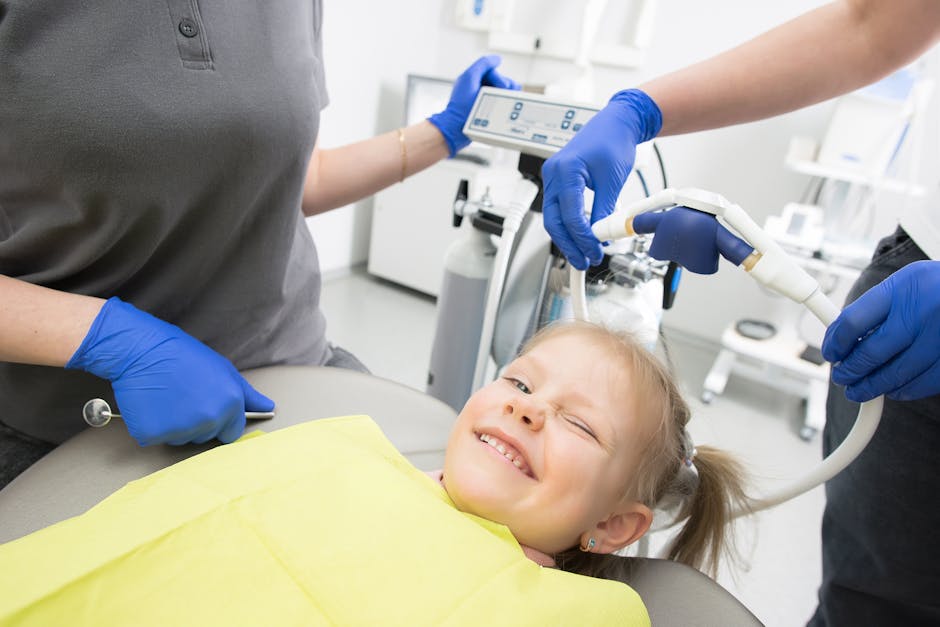
Yes. Because children receive treatments only as needed and procedures are as gentle and non-invasive as possible, risk-based prevention at Tribeca Dental Studio 4 Kids is designed to minimize anxiety and foster positive associations with dental care from the start.
When should my child start receiving risk-based evaluations?
The American Academy of Pediatric Dentistry recommends an initial visit by age one or within six months of the first tooth emerging. Tribeca Dental Studio 4 Kids begins risk-based prevention at the earliest visits and adapts the plan as your child grows.
Conclusion: Why Personalized Prevention is the Future of Pediatric Dentistry
Risk-based preventive dentistry is redefining how pediatric dentists protect and nurture children’s oral health. Clinics like Tribeca Dental Studio 4 Kids set the gold standard in Manhattan by focusing on each child’s whole health, leveraging high-end technology, and creating a warm, calming environment. Their commitment to early intervention, airway-focused assessments, and individualized plans means kids are less likely to fear the dentist, more likely to develop healthy habits, and far less likely to experience preventable cavities or dental problems.
If you are seeking a truly customized, compassionate dental home for your child—one that prioritizes prevention at every stage—consider connecting with Tribeca Dental Studio 4 Kids. From your very first visit, you’ll experience what sets us apart: a dedication to innovation, functional development, and gentle, proactive care. Learn more or schedule a consultation today.