Can Airway Screenings During Dental Visits Predict Sleep Troubles? Exploring the Link for Young Patients in Tribeca

Airway screenings during pediatric dental visits can offer valuable insights into potential sleep troubles in young patients. At Tribeca Dental Studio 4 Kids, early airway evaluation is a foundational part of our care, helping to identify subtle mouth or facial development issues that may contribute to disrupted sleep, snoring, mouth breathing, or daytime fatigue. By prioritizing airway health in our preventive routines, we play a crucial role in predicting and addressing factors linked to common sleep disturbances among children in Tribeca and the greater Manhattan area.
Through detailed airway assessments, we are often able to detect anatomical concerns or functional habits—such as chronic mouth breathing or restricted tongue mobility—that may signal an increased risk of sleep-disordered breathing. Identifying these risks early allows both families and healthcare providers to take timely steps, supporting the child’s growth, focus, and overall wellness. Our approach underscores that regular airway screenings are not just a dental best practice, but a proactive measure in securing children’s quality of sleep and healthy development.
What Is an Airway Screening During a Dental Visit?
Airway screening refers to a systematic evaluation of a child’s upper airway and related oral-facial structures as part of their dental checkup. Dentists at Tribeca Dental Studio 4 Kids look for physical signs that could indicate potential obstructions or functional challenges impacting a child’s ability to breathe freely—especially during sleep, when airway restriction can go unnoticed until it results in restlessness or behavioral issues.

Key Components of a Dental Airway Screening
- Assessment of mouth and facial structure for signs of narrow palate or high-arched palate
- Checking for enlarged tonsils or adenoids by observing mouth and throat anatomy
- Evaluating tongue posture and identifying tongue-tie (ankyloglossia)
- Noting habitual mouth breathing and evaluating its impact on dental and airway development
- Screening for dental crowding or malocclusions related to airway restriction
Why Are Airway Screenings Important for Sleep Health?
There is a direct relationship between airway structure and breathing efficiency during sleep. Children whose airways are narrow, blocked, or underdeveloped are at higher risk for sleep-breathing disorders such as obstructive sleep apnea, snoring, or restless sleep. These conditions can translate into daytime symptoms like poor concentration, irritability, decreased energy, and delayed growth.
Regular airway screenings allow early identification and intervention, leading to improved sleep quality and prevention of more complex health concerns. At Tribeca Dental Studio 4 Kids, our commitment to evaluating airway function supports the whole child, reinforcing the critical idea that healthy breathing is the foundation for a healthy life.
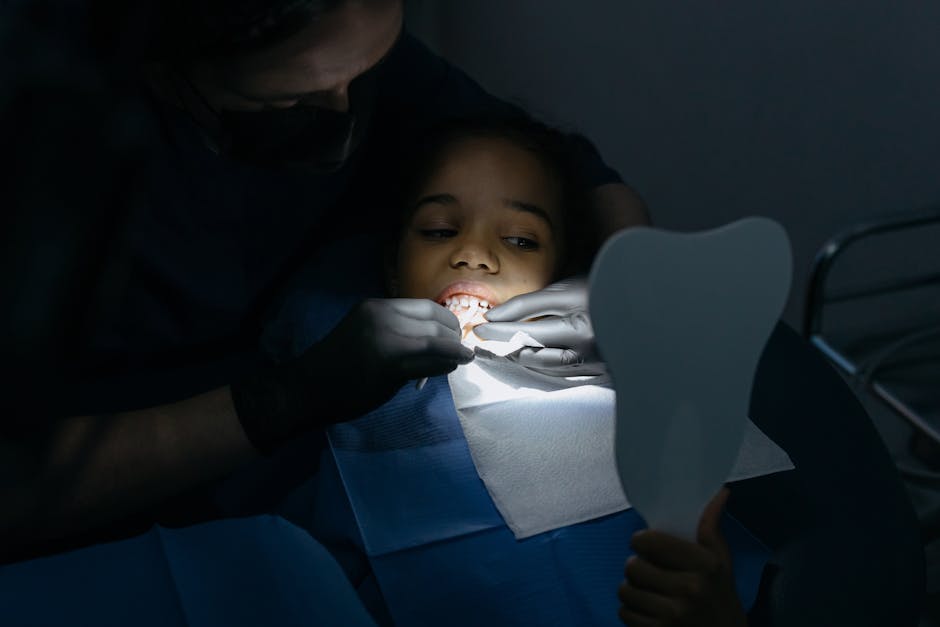
How Do We Screen for Airway Issues at Tribeca Dental Studio 4 Kids?
Our providers use a blend of observation, advanced technology, and child-friendly interaction to screen for airway issues—without creating anxiety. These evaluations are part of every routine checkup, beginning as early as a child’s first dental visit (ideally by age one). We integrate:
- Visual assessment and gentle palpation of oral structures
- Digital imaging and 3D scanning (using iTero) to map oral-facial growth and airway space
- Observation of oral habits (mouth breathing, tongue thrust, thumb sucking)
- Discussion with parents about sleep patterns, snoring, restlessness, and daytime symptoms
- Documentation and ongoing monitoring to track developmental changes over time
We also specialize in coaching families through early intervention steps, working in partnership with local pediatricians, ENTs, orthodontists, or myofunctional therapists as needed.
Step-by-Step: What Happens During a Pediatric Airway Screening?
- History Taking: Collect information from parents about the child’s sleep, breathing behavior, and general health.
- Facial Assessment: Evaluate facial symmetry, jaw alignment, and palate width—the building blocks for airway space.
- Oral Investigation: Examine the mouth, throat, and tongue for signs of airway blockage or muscle restriction.
- Habits Evaluation: Note breathing style (mouth vs. nose), tongue posture, and other oral habits that may affect airway health.
- Imaging and Digital Analysis: When appropriate, complete a 3D scan to visualize internal structures and growth trends.
- Discussion and Education: Review findings with parents, explain any concerns, and outline next steps for monitoring or referral if needed.
Signs Your Child Might Benefit from an Airway Screening
- Frequent mouth breathing, especially during sleep
- Loud or regular snoring
- Restless sleep, repeated waking, or night sweats
- Trouble focusing or behavioral concerns during the day
- Chronic allergies or nasal congestion
- Visible dental crowding or narrow palate
- Persistent thumb sucking or use of a pacifier
If your child exhibits any of these signs, scheduling an airway-focused dental evaluation at Tribeca Dental Studio 4 Kids is an excellent step toward proactive care.
The Link Between Dental Airway Screenings and Sleep Quality
By regularly integrating airway assessment into dental visits, we help families uncover root causes of poor sleep before they escalate. Early detection often leads to early intervention, improving not just dental alignment but also energy, attention, and even emotional stability in children. In our care, many parents report transformative changes when chronic airway issues are addressed—improved sleep, increased daytime focus, and happier, healthier growth.
“Watching the progress in my child’s development has been incredible. They are finally sleeping soundly and have so much more energy during the day.” — Family Member, Tribeca Dental Studio 4 Kids
Best Practices: Supporting Healthy Airway and Sleep Through Dentistry
- Schedule your child’s first dental and airway assessment by age one or as soon as the first tooth emerges
- Choose dental providers with a dedicated “airway-first” approach, like Tribeca Dental Studio 4 Kids
- Encourage nasal breathing and address persistent mouth breathing early
- Prioritize gentle, supportive dental environments to foster trust and regular attendance
- Partner with qualified professionals for interventions such as myofunctional therapy or laser frenectomies if recommended
- Monitor for recurring sleep symptoms and communicate updates to your dental team
For more on the connection between airway health and sleep, you can explore our in-depth guide on how preventative dental care can improve sleep quality in children.
How Our Team Delivers Airway-Focused Pediatric Dentistry
The clinicians at Tribeca Dental Studio 4 Kids are credentialed experts in pediatric dentistry and airway growth, utilizing innovations such as Biolase laser technology for painless interventions and digital scanning for precise measurement. Our approach centers on clear communication, child-friendly techniques, and evidence-based preventive care. Every young patient receives highly personalized attention, with strategies tailored to their age, needs, and developmental stage.
This focus extends to children with special needs or dental anxiety, ensuring that each family feels supported from their very first visit. Our dedicated team, including specialists like Dr. Lisa Schneider, provides continuity of care, reinforcing positive associations with both dentistry and healthy breathing.

Frequently Asked Questions
What age should my child receive their first airway screening?
We recommend an airway evaluation at your child’s very first dental visit—ideally by age one or as soon as teeth appear. Early screenings maximize intervention opportunities for optimal facial and airway growth.
How do airway issues affect sleep in children?
Airway restrictions, such as blocked nasal passages or tongue-tie, can cause snoring, mouth breathing, restless sleep, and frequent awakenings. Over time, this can impact focus, mood, and overall development during the day.
What happens if a problem is found during an airway screening?
If concerns are identified, your dental team will outline next steps, which may include monitoring growth, exercises, referrals to specialists (such as ENT or myofunctional therapists), or gentle interventions like laser frenectomy.
Are airway screenings painful or stressful for kids?
Screenings at Tribeca Dental Studio 4 Kids are gentle and tailored for comfort. We avoid needles or invasive procedures in our screening process, relying instead on child-friendly observation and advanced technology.
Does insurance cover pediatric airway screenings?
Coverage varies, but many dental plans consider airway assessments part of standard preventive visits. Tribeca Dental Studio 4 Kids also offers flexible in-house plans and financing for families without coverage.
How can I know if my child’s sleep issue is related to their airway?
Common clues include chronic snoring, mouth breathing, restlessness at night, and daytime symptoms like difficulty concentrating. A dental airway screening can help clarify whether oral or facial factors are contributing to these problems.
Where can I learn more about pediatric airway health?
We regularly update our Pediatric Dental Blog with resources on airway development, gentle dentistry, and early intervention strategies.
Conclusion & Next Steps
Airway screenings during dental visits play a crucial role in predicting and supporting healthy sleep for children. Regular evaluation allows families to take proactive steps for better rest, lasting vitality, and optimal growth. At Tribeca Dental Studio 4 Kids, our airway-centric model of pediatric dental care places your child’s wellbeing, comfort, and future first.
If you’re in Tribeca or Lower Manhattan and want to ensure your child’s smile and sleep are on the right track, schedule a gentle, comprehensive evaluation with our expert team today. Discover how an airway-first dental approach can make a positive impact on your child’s nightly rest and lifelong wellness.