How Preventative Dental Care Can Improve Sleep Quality in Children

Many families are surprised to learn how closely dental health and quality of sleep are linked in children. Preventative dental care does not just avoid cavities, it plays a powerful role in supporting better breathing, healthy facial growth, and ultimately restful sleep. At Tribeca Dental Studio 4 Kids, our specialists consistently find that children with comprehensive, preventative dental care experience improvements in sleep patterns, energy, and daytime concentration.
Pediatric oral health is foundational for airway development. Poor oral habits, untreated dental issues, or problems like tongue-tie and misaligned jaws can contribute to airway obstruction and, in turn, sleep disturbances such as mouth breathing, snoring, or restless nights. This is why leading practices like Tribeca Dental Studio 4 Kids prioritize airway-focused assessments and gentle interventions as an integral part of preventive pediatric dentistry.
Definition: Preventative Dental Care for Children and Its Impact on Sleep
Preventative dental care in children includes regular checkups, professional cleanings, fluoride treatments, dental sealants, habit counseling, and assessment of oral structures and function. At its core, this approach aims to prevent disease before it starts and identify developmental or functional concerns early.
In the context of sleep: preventative dental care addresses not just surface-level tooth decay, but also functional issues like improper tongue posture, mouth breathing, and conditions that could restrict airway size or nasal breathing. These factors directly influence a child’s ability to achieve deep, restorative sleep.

How Does Preventative Dental Care Improve Sleep Quality?
Preventative pediatric dentistry can enhance children’s sleep quality through several pathways:
- Early Detection of Airway Issues: Regular exams at Tribeca Dental Studio 4 Kids include growth and airway assessments that can detect concerns such as enlarged tonsils, tongue-tie, high palatal vaults, or dental crowding—all factors that may impair breathing during sleep.
- Guided Facial Growth: Monitoring jaw and facial development allows intervention before significant problems arise. This can help maintain open, healthy airways, reducing the risk of sleep-related breathing disorders.
- Minimally Invasive Solutions: Treatments using needle-free laser technology (such as Biolase) and non-invasive options for white spot lesions or early cavities are designed to be gentle, reducing anxiety and fostering positive associations with dental care.
- Functional Habit Coaching: Counseling for oral habits (e.g., thumb sucking, mouth breathing) and proper tongue posture is incorporated at every visit, supporting ideal breathing and sleep patterns.

Step-by-Step Approach at Tribeca Dental Studio 4 Kids
Tribeca Dental Studio 4 Kids follows a multi-faceted, airway-centered methodology to ensure every child achieves their best sleep potential by optimizing oral health:
- Comprehensive Airway and Growth Evaluations: Every first visit includes a full assessment of facial symmetry, dental arches, palate size, and breathing patterns.
- Early Preventative Care: The team emphasizes a “first dental visit by age one” approach—catching habits or irregularities before they become long-term problems.
- Non-Invasive Treatments: The use of Biolase laser and Icon Resin Infiltration enables early treatment of concerns without needles or drilling, keeping visits stress-free.
- Functional Oral Coaching: Patients are educated on nasal breathing, tongue resting posture, and correct swallowing to support nighttime airway openness.
- Continuous Growth Monitoring: Routine checks track developmental milestones, making it possible to intervene early if dental crowding, tongue-tie, or other airway risks emerge.
Best Practices for Parents: Preventative Dental Care and Sleep
- Schedule Early and Consistent Visits: Bring your child for their first dental visit as soon as the first tooth appears or by their first birthday.
- Prioritize a Pediatric Specialist: Choose a provider like Tribeca Dental Studio 4 Kids, whose team has advanced knowledge in pediatric facial growth and airway health.
- Promote Healthy Habits: Model and encourage regular tooth brushing, flossing, and avoid sugary snacks. Support nose breathing and correct tongue posture through positive reinforcement.
- Address Sleep Concerns Early: If your child snores, grinds their teeth, wakes frequently, or seems fatigued during the day, mention these symptoms to your dentist. These may be connected to oral or airway issues.
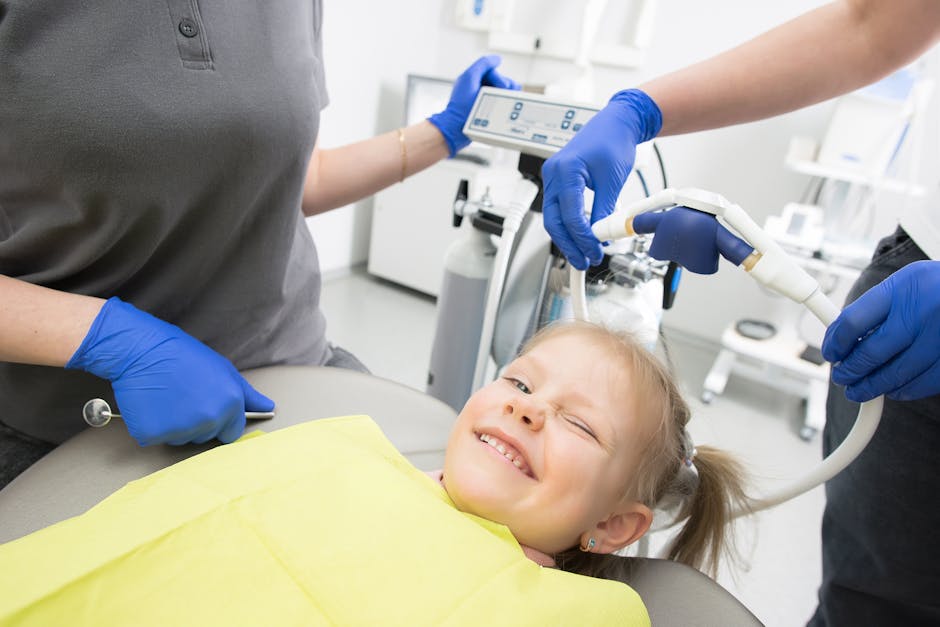
- Opt for Gentle, Fear-Free Practices: Seek out clinics with child-specific technology, non-invasive treatments, and a calming clinic environment to reduce dental anxiety.
Real Parental Feedback: The Sleep and Dental Care Connection
Families regularly share that their children sleep more soundly and have more energy after starting care at Tribeca Dental Studio 4 Kids. For example, in one testimonial, a parent noted, “Watching the progress in my child’s development has been incredible. They are finally sleeping soundly and have so much more energy during the day.” Another parent highlighted the transformation: “Such a calm and professional environment. The results in her breathing are remarkable.” These stories are echoed across reviews, reinforcing the clinic’s impact on both dental comfort and overall pediatric wellbeing.
Further Reading and Internal Resources
- Learn more about the importance of airway-focused pediatric dentistry and how it supports healthy sleep and development.
- Explore how preventative cleanings and sealants contribute to better oral and systemic health.
- See the benefits of needle-free pediatric laser treatments for anxious children.
Frequently Asked Questions: Pediatric Preventative Dental Care and Sleep
How soon should my child begin preventative dental care?
At Tribeca Dental Studio 4 Kids, we recommend a first dental visit by age one or when the first tooth erupts. Early intervention helps set the stage for healthy oral and airway development.
Can dental problems really affect my child’s sleep?
Yes. Common dental and oral growth issues—such as crowding, enlarged tonsils, tongue-tie, or habitual mouth breathing—can restrict airways and disrupt normal sleep quality in children.
What signs suggest a potential sleep-related dental issue?
Watch for mouth breathing, snoring, nighttime teeth grinding, frequent waking, or daytime fatigue. These may point to airway or dental concerns that can be effectively addressed in a prevention-focused practice.
Are dental treatments painful for children?
Not at Tribeca Dental Studio 4 Kids. We use Biolase laser and non-invasive methods to provide gentle, pain-free care, eliminating the fear many children associate with dentistry.
Does treating oral habits make a difference in sleep?
Guidance and intervention for habits like thumb-sucking or mouth breathing can improve the position and growth of the jaw and palate, making a significant difference in nasal breathing and sleep quality.
What can parents do at home?
Support daily brushing and flossing, encourage nose breathing, observe sleep patterns, and consult a pediatric dental expert if you notice abnormal signs or habits.
Conclusion
In pediatric dentistry, prevention means more than cavity protection—it extends to the very foundation of a child’s nightly rest and daily vitality. By choosing an airway-focused, gentle approach like the one at Tribeca Dental Studio 4 Kids, families gain the benefit of early detection, innovative technology, and expert guidance on healthy oral development and sleep. To give your child the best start, consider partnering with the trusted specialists at Tribeca Dental Studio 4 Kids in Lower Manhattan. Learn more or book a visit today and help your child achieve brighter days and truly restful nights.