When Do Baby Teeth Fall Out? A Guide to Losing Teeth and Getting Permanent Molars
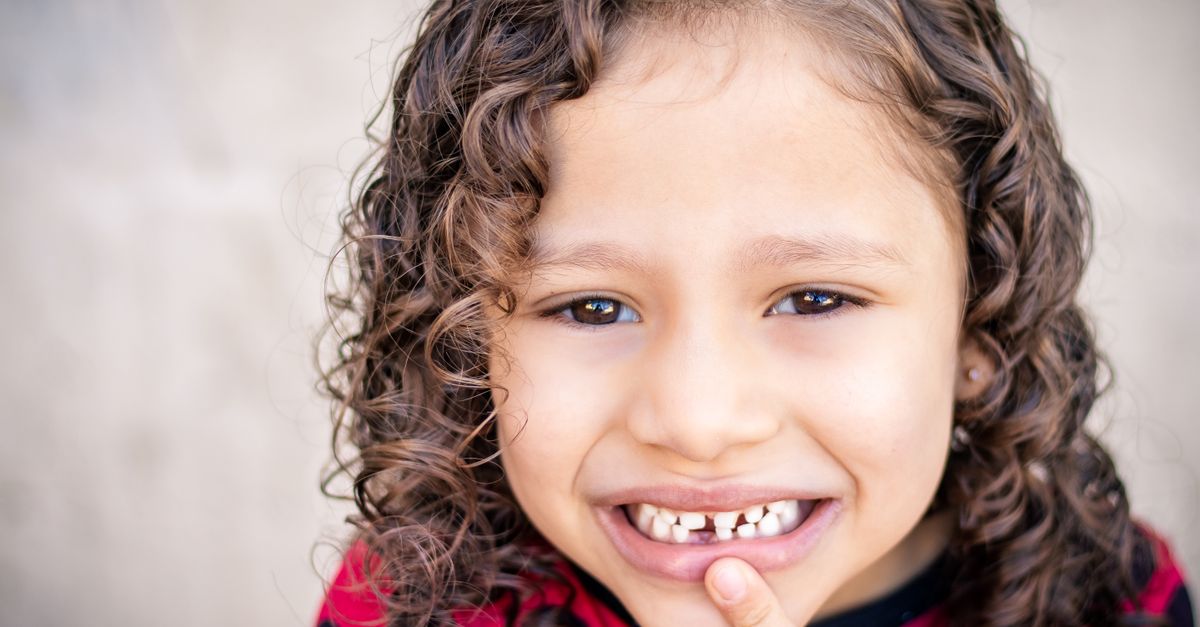
Most children begin losing baby teeth around age 6, usually starting with the lower front teeth. The last baby teeth typically fall out around ages 10 to 12, although the schedule varies from child to child. At about the same time the first teeth become loose, the first permanent molars usually emerge behind the baby molars. These new molars do not replace baby teeth, so a child can gain permanent teeth without losing any in that part of the mouth.
That distinction is the one we most want parents to remember at Tribeca Dental Studio 4 Kids: a loose front tooth and a new back molar are two normal parts of the same transition, but they happen in different ways. The front baby tooth makes room for its permanent replacement. The permanent molar needs new space at the back of the jaw and has no baby tooth to push out.
Ages are guides, not deadlines. What matters is the overall pattern, whether a tooth is coming in where expected, and whether your child has pain, swelling, decay, or trouble cleaning the area. This guide explains the usual sequence and what to do when your child’s mouth does not seem to follow it.
What does it mean to lose a baby tooth?
Baby teeth, also called primary teeth, are the first set of teeth. Children normally develop 20 of them. As a permanent replacement develops beneath a baby tooth, the baby tooth’s roots gradually dissolve. With less root holding it in place, the tooth becomes loose and eventually falls out. The permanent tooth then has an opening through which to emerge.
Not every permanent tooth arrives by replacing a baby tooth. Permanent molars erupt behind the existing teeth. This is why a parent looking only for loose teeth might miss the first permanent molars entirely. It is also why the back of the mouth deserves attention even when a child’s front teeth are the obvious focus.
The transition from baby teeth to adult teeth is called the mixed dentition stage: baby and permanent teeth share the mouth for several years. A gap, a wiggly tooth, and a newly erupted molar can all be present at once. Mixed dentition is normal, but it is also a useful time to check how your child’s teeth fit together and whether new teeth are easy to keep clean.
Baby teeth falling out: the usual age and order
The sequence below is a practical guide, not a promise that every tooth will arrive or leave on its birthday. Teeth on opposite sides often follow a similar pattern, but they do not have to move in perfect sync.
- Around ages 6 to 7: The lower central incisors, the two lower front baby teeth, are commonly the first to loosen and fall out. Upper central incisors often follow. First permanent molars also typically begin erupting around this period, behind the baby molars.
- Around ages 7 to 9: More front teeth, including the lateral incisors beside the center teeth, usually make way for permanent incisors.
- Around ages 9 to 12: Baby canines and baby molars tend to loosen and fall out. Permanent canines and premolars replace them. The exact order varies, especially between upper and lower teeth.
- Around ages 11 to 13: Second permanent molars generally emerge farther back, again without replacing baby teeth.
By the early teenage years, most children have lost their baby teeth and have their permanent teeth other than wisdom teeth. Some children are earlier or later. A difference of several months between sides can also occur. The pattern deserves an examination when it is markedly uneven, a permanent tooth is appearing in an unusual position, or a baby tooth remains firm long after its counterpart has fallen out.
It helps to distinguish eruption from falling out. Eruption means a tooth is emerging through the gums. A baby tooth falls out after it loosens. Permanent molars erupt, but no baby molar needs to fall out first. Baby molars, meanwhile, are eventually replaced by premolars, not by the permanent molars that grow farther back.

Where do the first permanent molars come in?
Look behind your child’s last baby molar on each side, both upper and lower. A first permanent molar can begin to appear there at roughly age 6, earning it the informal name “six-year molar.” There are usually four first permanent molars, one in each back corner of the mouth. Because no baby tooth falls out to announce them, parents sometimes mistake them for baby teeth.
These molars are permanent from the day they emerge. Their chewing surfaces have grooves that can be difficult for a child to brush thoroughly, particularly while a tooth is only partly through the gum. A newly erupting molar may also sit lower than its neighboring teeth for a while, making it easy for a toothbrush to glide over rather than reach the chewing surface.
Try this quick check during an ordinary brushing session:
- Ask your child to open wide and look behind the last visible baby tooth on each side.
- Notice any new tooth peeking through the gum or any chewing surface farther back than before.
- Angle the toothbrush toward that back tooth rather than stopping where you have always stopped.
- Tell your child’s dentist about a new molar so they can assess cleaning and whether a sealant would be appropriate.
Second permanent molars follow a similar route farther back, commonly around ages 11 to 13. They also have no baby predecessors. A child’s growing jaw gradually accommodates these additional teeth; an eruption question is best assessed in the context of the child’s whole bite rather than by counting loose teeth alone.
How can you tell a normal loose tooth from a problem?
A baby tooth that gradually wiggles, especially a front tooth in a school-age child, usually needs time rather than treatment. Mild tenderness while chewing can happen as it loosens. A small amount of bleeding when the tooth finally comes out can also be normal. What should change your plan is significant pain, persistent bleeding, swelling, an injury, or a tooth that looks damaged or infected.
When the tooth is ready to fall out
Let your child gently wiggle it with a clean finger or tongue if they want to. Do not pull hard on a tooth that is still firmly attached. Forcing it can hurt the gum and turn an ordinary milestone into a frightening experience. If the tooth is hanging by very little tissue but your child is uncomfortable, ask the pediatric dentist for guidance instead of making it a battle at home.
After a baby tooth comes out, have your child rinse gently with water. If the socket oozes, clean gauze held with gentle pressure can help. Keep the area clean while the gum settles, and resume careful brushing around it. Contact a dentist if bleeding does not stop with pressure, pain intensifies, or swelling appears.
When a loose tooth follows an injury
A tooth loosened by a fall or collision is different from one loosened by normal root resorption. Call a dentist promptly, especially if the tooth is displaced, broken, painful, or bleeding at the gumline. If a baby tooth is knocked out completely, do not put it back into the socket. Reimplanting a baby tooth can harm the developing permanent tooth beneath it.
If a permanent tooth is knocked out, seek urgent dental care. Handle it by the crown rather than the root, and keep it moist while arranging immediate help. Because parents may not know whether a newly erupted front tooth is permanent, call right away if there is any uncertainty. A dentist can guide you based on the child’s age and the tooth involved.
What if the permanent tooth comes in before the baby tooth falls out?
Sometimes a permanent incisor erupts behind a baby incisor, leaving two rows of teeth for a while. Parents often call this “shark teeth.” It can look startling, particularly on the lower front teeth, but it does not always mean the permanent tooth will stay in the wrong place.
First, check whether the baby tooth is loose. If it is, it may fall out on its own, allowing the tongue and normal mouth movements to help the permanent tooth move into a better position. If the baby tooth is firm, the permanent tooth is erupting well behind it, the area is hard to clean, or the two-row appearance persists, schedule an examination. The dentist can assess whether the baby tooth needs help coming out and whether there is enough room for the permanent tooth.
Do not try to judge alignment from a single photo or assume that every crowded-looking new tooth requires immediate orthodontic treatment. Teeth are emerging into a changing jaw. At the same time, waiting indefinitely when a tooth is trapped or cleaning is difficult is not a good plan. An in-person evaluation offers the useful middle ground.
Why baby teeth still matter when they will eventually fall out
“It is only a baby tooth” is an understandable reaction, but baby teeth have work to do until their replacements are ready. They help children chew and speak, and they occupy space in the developing dental arches. A baby molar that is expected to remain for several more years matters differently from a front tooth already loose and ready to go.
If a baby tooth develops a cavity or is lost earlier than expected, the right next step depends on which tooth it is, your child’s age, and what the permanent tooth is doing beneath it. Early loss can sometimes allow neighboring teeth to shift into the space intended for a replacement. Conversely, a baby tooth that remains in place longer than expected may need assessment of the permanent tooth below it. Neither situation can be resolved by age alone.
Our approach at Tribeca Dental Studio 4 Kids is to examine the individual tooth and the developing mouth before recommending care. Preventive cleanings and sealants are part of our pediatric services, and our minimally invasive dental options include SDF and Curodont™ Repair for appropriate situations. Treatment choices depend on the tooth and the condition being treated; a tooth does not automatically need drilling because a problem is found early.
This stage is also a chance to observe how the jaws and bite are developing. A child whose new teeth appear crowded may need monitoring rather than an immediate intervention, but emerging teeth should not be viewed in isolation from growth. We incorporate growth and airway evaluation into pediatric care when relevant. A dental examination can identify what is happening in the mouth and whether further assessment makes sense.
Best practices while baby teeth are falling out
For families navigating mixed dentition, we use a simple routine: look, clean, protect, and check. It keeps attention on what parents can do without turning every wiggly tooth into a worry.
Look behind the last baby teeth
Once your child approaches school age, glance at the far back of the mouth from time to time. New permanent molars may appear quietly. Note whether a back tooth is partly covered by gum, whether food collects around it, and whether your child avoids brushing there because it feels tender. You do not need to identify every tooth by name to spot a change worth mentioning at a visit.
Clean around loose teeth and emerging molars
Continue brushing twice daily with fluoride toothpaste, using a child-appropriate amount and helping with brushing until your child can clean every surface reliably. A loose tooth may feel awkward to brush, but plaque still collects around it. Work gently near tender gums instead of skipping the area.
Pay special attention to the chewing surfaces of new permanent molars and the places where teeth touch. Floss where neighboring teeth contact each other. If the toothbrush does not reach a partially erupted back molar well, ask the dental team to show you an angle that works for your child. The goal is steady, effective cleaning, not vigorous scrubbing of a sore spot.
Protect permanent molars early
Dental sealants are protective coatings placed over the grooves of suitable back teeth. They can help make the chewing surface less vulnerable to cavities. Timing matters because a molar needs to be sufficiently erupted and its surface assessed before placement. Ask about sealants when you first notice a new back molar rather than waiting for all the baby teeth to fall out. For more detail, see our guide to preventive cleanings and sealants for children.
Check changes that do not fit the pattern
Keep your child’s dental visits going throughout the transition. Tell the dentist if a tooth was lost after an injury, a permanent tooth is coming in behind a firm baby tooth, a new molar is painful, or one side of the mouth seems to be changing very differently from the other. The dentist can examine eruption, cleanliness, bite, and possible decay together instead of treating the calendar as the diagnosis.
A parent described our team’s approach this way after visits for two children, ages 12 and 15: “They take the time to explain everything and always treat the kids with patience and kindness.” That kind of explanation matters when children are managing new sensations in their mouths and parents are trying to tell ordinary changes from ones that need care.

When should you book a pediatric dental evaluation?
A routine visit is a good place to discuss a first loose tooth or newly emerging molar. Schedule sooner when something affects comfort, cleaning, or your child’s ability to eat normally. In particular, seek an evaluation if:
- A permanent tooth is emerging but the baby tooth ahead of it remains firm.
- A baby tooth was lost because of injury or substantial decay rather than loosening naturally.
- A new molar has persistent pain, swelling, or an area that traps food and cannot be cleaned well.
- One side has changed substantially while the matching tooth on the other side shows no sign of change.
- A tooth appears in an unexpected place, or your child’s bite is changing in a way that concerns you.
- There is facial swelling, significant toothache, or bleeding that continues despite gentle pressure.
Urgent symptoms, especially facial swelling or an injured permanent tooth, should not wait for the next routine checkup. For other timing questions, an examination can often replace speculation with a clear picture of which teeth are present, which are loose, and what should be watched next.
Children who feel uneasy about dental visits still deserve a calm assessment. Our dedicated kids’ floor is designed around children’s comfort, including children with dental anxiety or special needs. We use gentle communication and offer technologies such as BIOLASE laser treatment when clinically appropriate. Those tools are options for dental care, not treatments for the normal process of a baby tooth falling out. Families curious about how we approach a child who needs cavity treatment can read more about laser dentistry for sensory-sensitive children.
Frequently asked questions about losing baby teeth
What age do children lose their first tooth?
Many children lose their first baby tooth around age 6. The lower front teeth are often first, although an earlier or later start can still fall within an individual child’s normal pattern. Bring up an unusually early loss or a concern about delayed change at a dental visit, particularly if there was an injury or a permanent tooth is already emerging.
Which baby teeth fall out first?
The lower central incisors, the two teeth in the middle of the lower front row, commonly fall out first. The upper central incisors and nearby lateral incisors generally follow. The baby canines and molars tend to remain longer.
Do baby molars fall out?
Yes. Baby molars typically fall out later in childhood and are replaced by permanent premolars. The first and second permanent molars are different teeth that erupt farther back and do not replace baby molars. Knowing the difference helps parents protect permanent back teeth as soon as they appear.
Can permanent molars come in before any baby teeth fall out?
Yes. First permanent molars often erupt around the same age that the first front baby teeth loosen. Their arrival does not require a baby tooth to fall out, so your child may have new permanent molars even if every baby tooth is still present.
Why does a new permanent tooth look larger or more yellow than a baby tooth?
Permanent teeth often look larger and slightly more yellow than nearby baby teeth. The contrast can be especially noticeable while the two types of teeth share the same smile. A change in color that looks like a distinct spot, a dark area, or damage deserves an examination rather than an assumption that it is normal coloration.
Should I pull my child’s loose tooth?
Usually, no. Encourage gentle wiggling if your child is comfortable, and let a naturally loosening tooth come out when ready. Avoid pulling a tooth that still feels firmly anchored. If it is painful, injured, or interfering with an emerging permanent tooth, ask a pediatric dentist to examine it.
What if my child has “shark teeth”?
A permanent front tooth can erupt behind a baby tooth, creating a temporary double row. If the baby tooth is loose, it may fall out and make room. If it stays firm, the area is difficult to clean, or the permanent tooth is far out of position, arrange a dental evaluation rather than trying to force the baby tooth out.
What if my child loses a baby tooth much earlier than expected?
Call a dentist if the tooth came out after an injury or because it was damaged or decayed. Which tooth was lost matters: a baby molar expected to remain for years may need a different plan from a front tooth close to its usual shedding time. Do not reinsert a baby tooth knocked out in an accident.
Does every child need sealants on the first permanent molars?
Sealants are worth discussing when those molars erupt, but the decision should follow an examination of the teeth, their eruption stage, and your child’s cavity risk. Consistent brushing and dental visits remain important whether or not a molar receives a sealant.
When should I worry that baby teeth are not falling out?
Rather than relying on one cutoff age, look at the whole picture. A permanent tooth coming in while its baby predecessor stays firm, a striking difference between matching sides, or a tooth that seems unable to emerge warrants a check. A pediatric dentist can assess the tooth’s position and development and explain whether monitoring or treatment is appropriate.
A healthy transition is about more than the tooth fairy
The main timeline is straightforward: front baby teeth often start falling out around age 6, baby canines and molars generally follow later, and first permanent molars appear behind the baby teeth around the start of that transition. Those back molars are permanent immediately. The best response is to let ordinary loose teeth progress gently, brush every new surface, and ask for an examination when pain, injury, unusual eruption, or persistent crowding raises questions.
For families in Tribeca and Lower Manhattan, Tribeca Dental Studio 4 Kids offers preventive pediatric care, sealants, and individualized growth monitoring in a child-centered setting. If you have noticed a first loose tooth, a new back molar, or an eruption pattern you cannot quite make sense of, schedule a visit with our pediatric dental team at 54 Warren Street in New York City.